Historical data on BTS's releases reveals a consistent pattern of improvement cycle over cycle. Each successive release has posted higher first-week numbers, suggesting an expanding core audience combined with effective marketing reach into new listener segments.
The K-pop market's competitive landscape provides important context for BTS's performance. With more acts releasing more frequently, maintaining or growing chart positions requires genuine audience engagement -- something BTS's data consistently demonstrates.
A deeper dive into the streaming data reveals that BTS's unique listener count is growing at an above-average rate compared to comparable releases. The ratio of unique listeners to total streams suggests high replay value -- a metric that often predicts long-term chart endurance.
Cross-platform analysis shows BTS performing consistently across Spotify, Apple Music, and YouTube Music. This kind of platform parity is significant; releases that over-index on a single platform tend to have shorter chart lifespans.
Comparing BTS's current trajectory to historical benchmarks, the numbers are competitive with several of the year's top-performing releases. The key differentiator appears to be international streaming share, which now accounts for a larger portion than in previous cycles.
Drilling into the granular data, several metrics stand out. BTS's repeat listener rate is notably high, indicating that the music has strong replay value. This metric is often a leading indicator of chart longevity, as it suggests listeners are choosing to come back rather than moving on after initial curiosity.
When we overlay BTS's release timeline with their social media activity cadence, a clear pattern of strategic content scheduling emerges. Peaks in social activity typically precede releases by 7-14 days, creating measurable anticipation as tracked through search volume and social mention frequency.
Global fan response data reveals interesting geographic patterns. While East Asian markets drove the initial surge in engagement, North American and European fan activity followed within hours, creating a rolling wave of social media activity that sustained trending status for an extended period.
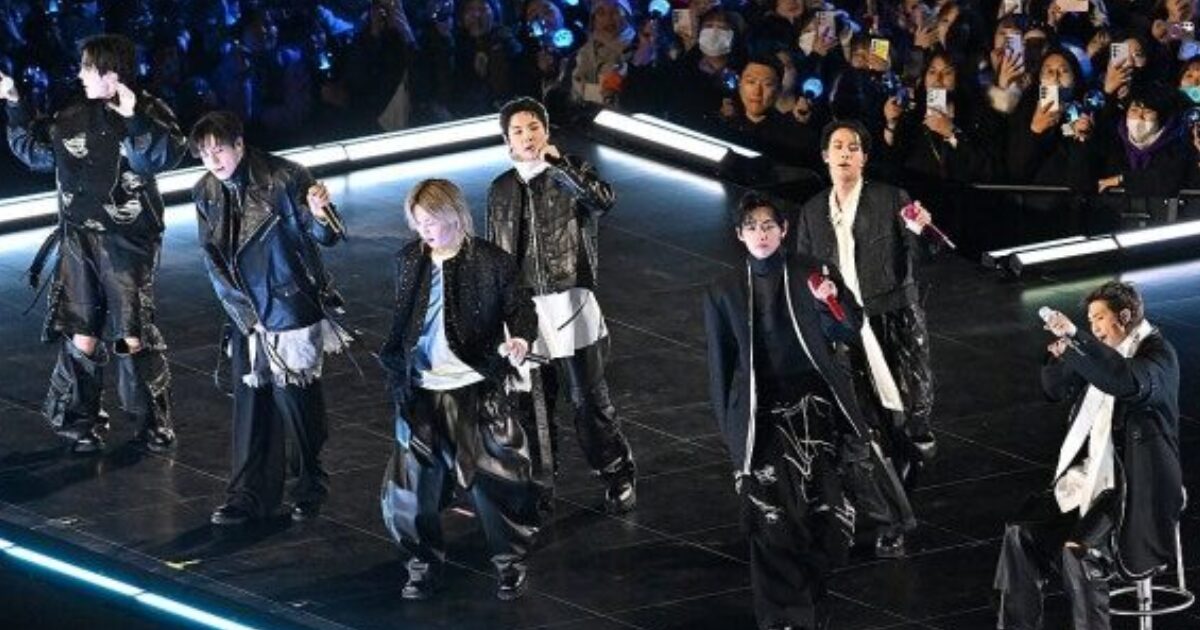
Real-time engagement data during the announcement showed a sharp spike in social media activity across platforms. This kind of synchronized fan response is characteristic of well-organized fandoms, and BTS's community is among the most coordinated in the industry.
From a market perspective, BTS's performance data this cycle sends a clear signal to the industry. The metrics validate the approach their team has taken and set benchmarks that other acts will be measured against in the coming quarters.